
Furniture as an Asset Class: Reading the $4.7B Italian Luxury Market in 2026
For readers assessing Italian luxury furniture, the practical question is how the idea performs in a real room, not only how it photographs. The figure circulating this year is $4.7 billion: the size of Italy’s luxury furniture market in 2026, projected to reach $7.81 billion by 2035 at a compound rate of 5.80 percent. It comes from MarkWide Research, a commercial market-research publisher, and before it gets quoted again it is worth putting three questions to it. What does it count? Who counted it? And how much weight does the word “projected” carry?
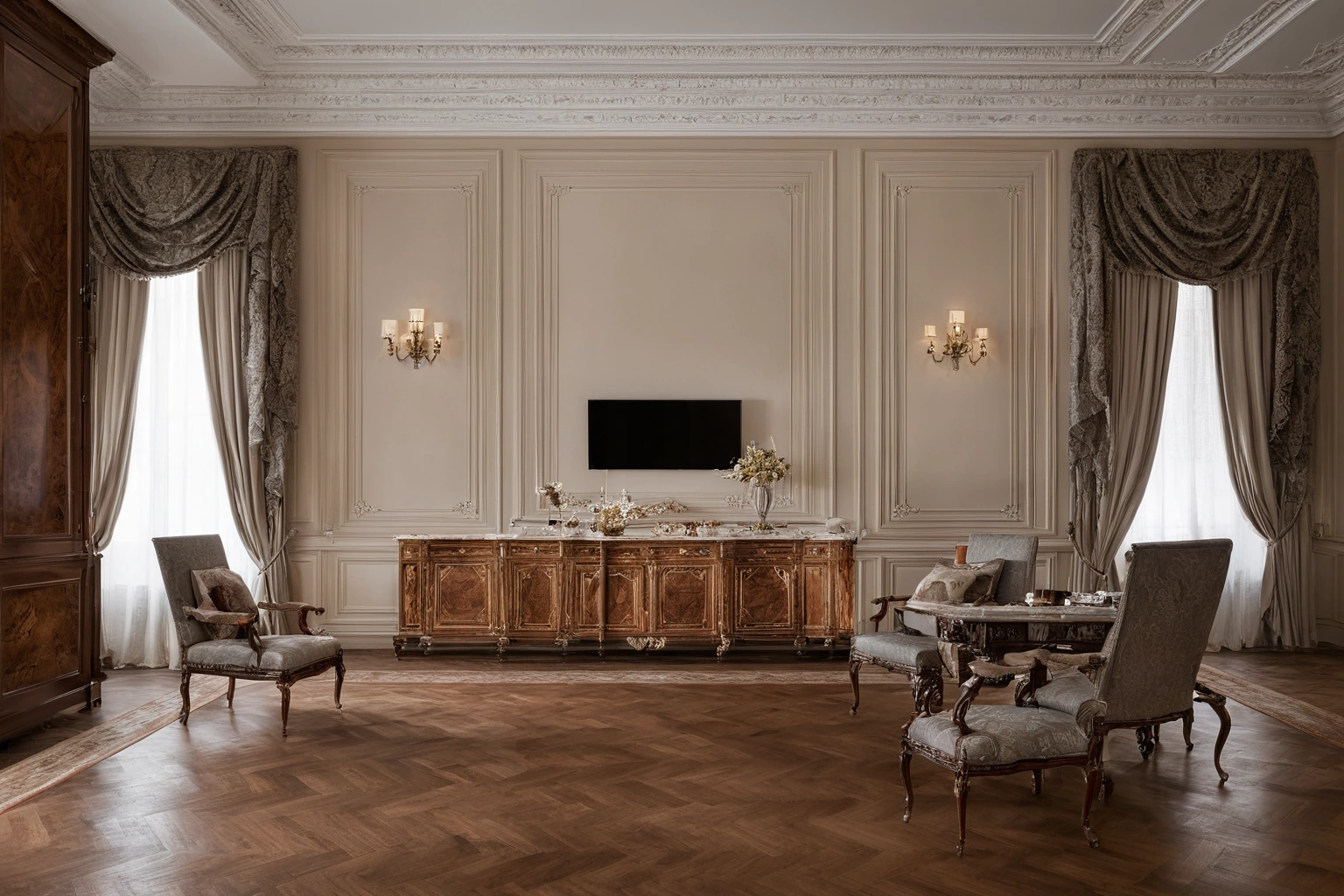
What the $4.7 billion actually counts
MarkWide defines Italian luxury furniture as handcrafted or precision-manufactured furnishings in premium materials, naming solid walnut, full-grain leather and hand-blown Murano glass, produced in limited batches. That definition does the heavy lifting: shift the line on “premium materials” or “limited batches” and the market changes size without a single sofa being sold. Mordor Intelligence publishes a report under the same market name and forecasts above 4.5 percent to 2030: one market name, two perimeters.
Counts built from companies rather than models land elsewhere. The FederlegnoArredo Study Centre, presenting preliminary 2025 figures, put the Italian wood-furniture supply chain at €52.2 billion in turnover, up 1.3 percent, with exports of €19.3 billion. Narrow the perimeter to the furniture macrosystem and the figure is €27.7 billion. Research from Intesa Sanpaolo, reported by Il Sole 24 Ore, sized the sector at €26.7 billion for 2025, ahead of Germany at €21.7 billion. None of those is the luxury slice, and MarkWide counts dollars while the trade bodies count euros. Where the line falls is a judgement call that no public register audits.
| Figure | Perimeter | Publisher | Basis |
|---|---|---|---|
| €52.2 bn (2025) | Whole wood-furniture supply chain | FederlegnoArredo Study Centre | Company data |
| €27.7 bn (2025) | Furniture macrosystem only | FederlegnoArredo Study Centre | Company data |
| €26.7 bn (2025) | Italian furniture sector | Intesa Sanpaolo research | Sector study |
| $4.7 bn (2026) | “Luxury” subset, publisher’s own definition | MarkWide Research | Modelled |
| $7.81 bn (2035) | Same subset, nine years out | MarkWide Research | Projection |
A projection is a model, not a measurement
The route from $4.7 billion to $7.81 billion is 5.80 percent compounded for nine years. A compound annual growth rate is a smooth line between a start point and an assumed finish. It does not claim any individual year will deliver 5.8 percent, because it is fitted rather than observed. A related practical reference is available in Furniture, Circulation and Comfort.
Nine years is a long time to hold that assumption, and the recent record is choppier than any smooth curve. On the Intesa Sanpaolo figures, Italian furniture grew 0.5 percent in 2025 while Germany fell 2.9 percent, France 4.5 percent and Poland 0.3 percent. Four neighbouring markets, four directions, one year. A 2035 number is a scenario with a firm’s name attached: a direction of travel, not a fact about 2035.
What 316,342 tells you, and what it does not
The 64th Salone del Mobile.Milano ran from 21 to 26 April 2026 at Rho Fiera and closed with 316,342 visitors from 167 countries, up 4.5 percent on 2025, with 1,900 brands from 32 countries across more than 169,000 square metres. Those are the organiser’s figures. The wider project context is available from Mainely Classic.
Read the composition first. Inside that total sit 37,431 design enthusiasts, 14,418 students and 6,039 press attendances. The much-quoted 68 percent international share is a proportion of trade visitors, not of the 316,342. The headline is not a count of buyers. Rising attention in a soft year is worth something, but it is not an order book.
A fair counts people through a door. A market counts money changing hands. In any given year the two curves can point in opposite directions.
Holding value is not the same as gaining it
Here is where the phrase “asset class” starts to mislead. The US Bureau of Economic Analysis files furnishings and durable household equipment under personal consumption expenditures, alongside cars and appliances: spending, not capital formation. The tax treatment is blunter. Under the US Modified Accelerated Cost Recovery System, office furniture and fixtures are seven-year property, written down on a 200 percent declining balance. The tax code’s working assumption is that a desk reaches zero in seven years.
A properly built Italian sofa will outlast that schedule by decades, and that is the honest case for buying well. A piece that serves forty years instead of eight has quietly divided its cost by five. That is real, and worth paying for. It is also use-value, not appreciation. You cannot spend it, sell it at a profit, or borrow against it. It shows up as a cost you did not have to pay again. Further examples and planning context appear in About Us.
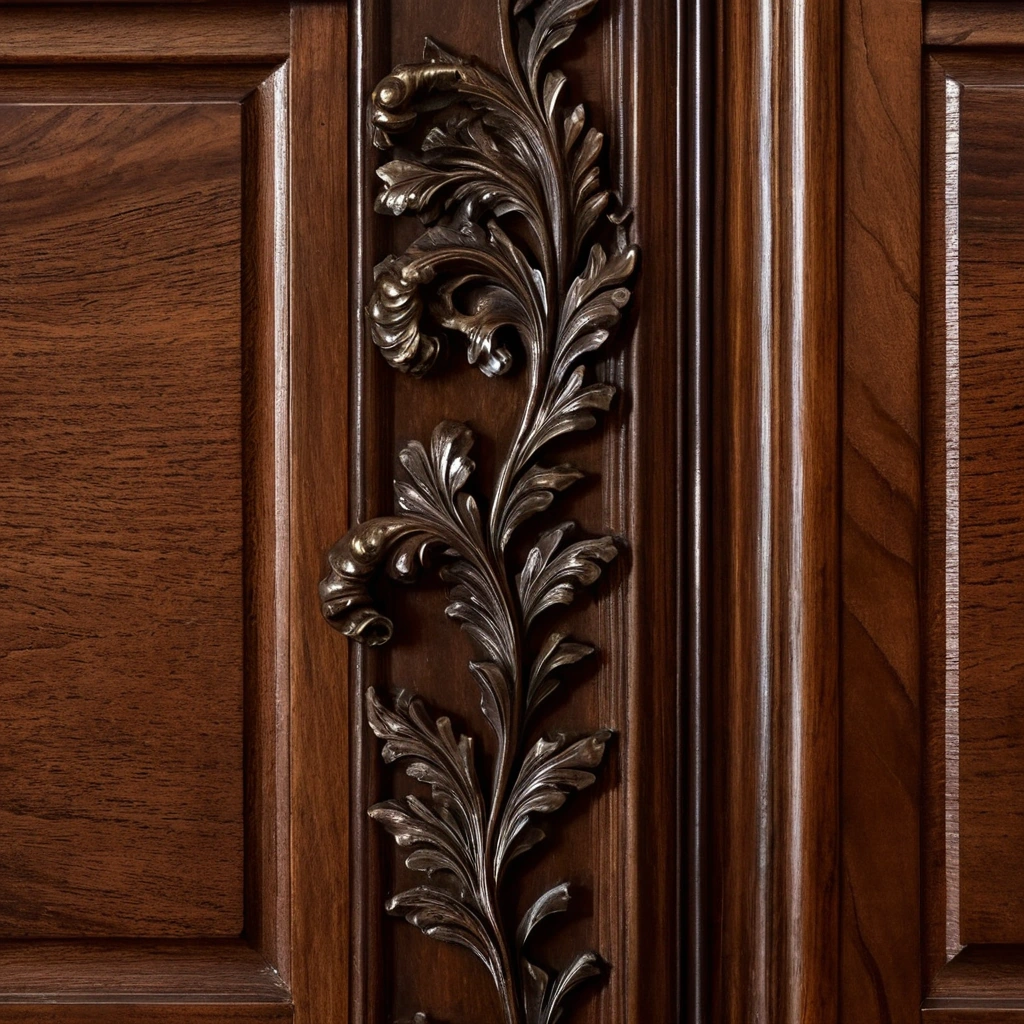
- Use-value
- What the object does for its owner over its service life. The dominant component of furniture value, and the one that never trades.
- Provenance
- A documented chain of ownership from the first owner onward. Paperwork, not reputation.
- Attribution
- Evidence that a named designer or workshop made a specific piece.
The narrow segment that really does trade
Something does appreciate, and it is worth being precise about what. Eileen Gray’s “Dragons” armchair, made between 1917 and 1919, sold at Christie’s in Paris in February 2009 for €21,905,000 as part of the Yves Saint Laurent and Pierre Bergé collection, against a pre-sale estimate of €2 to €3 million. That sale is usually offered as proof that furniture is an investment. It proves closer to the opposite: the specialists at one of the world’s largest auction houses, with the object in front of them, missed by roughly seven times. That is not a valuation. It is two determined bidders in one room on one afternoon, and not a plan anyone can follow.
Note what the chair carried: a designer in the canon, a documented chain of ownership reaching back to Gray’s patron Suzanne Talbot, and a public sale record. Almost no furniture has any of the three. The Art Basel and UBS Global Art Market Report 2026, written by Clare McAndrew of Arts Economics, estimated the entire global art market at $59.6 billion in 2025, with public auction sales of $20.7 billion. Design and decorative art are a slice of that slice. The overwhelming majority of furniture, however well made, never reaches a saleroom. The publication’s sourcing and review approach is explained in Editorial Guidelines.

The questions worth asking
If you are buying at this level, the useful questions are about record and durability, not resale. A workshop producing classic Italian furniture should answer all of them without reaching for a brochure.
- Who made this, and is the maker named in writing? Attribution is the precondition for every other claim about the object.
- What documentation comes with it? Workshop, date, materials, order record. Provenance begins as paperwork on day one, or it never begins.
- What can be repaired, and by whom? Re-upholstery, refinishing and joint repair turn eight years of service into forty.
- Who published the number you were quoted? Ask what it counts and whether the year has happened yet.
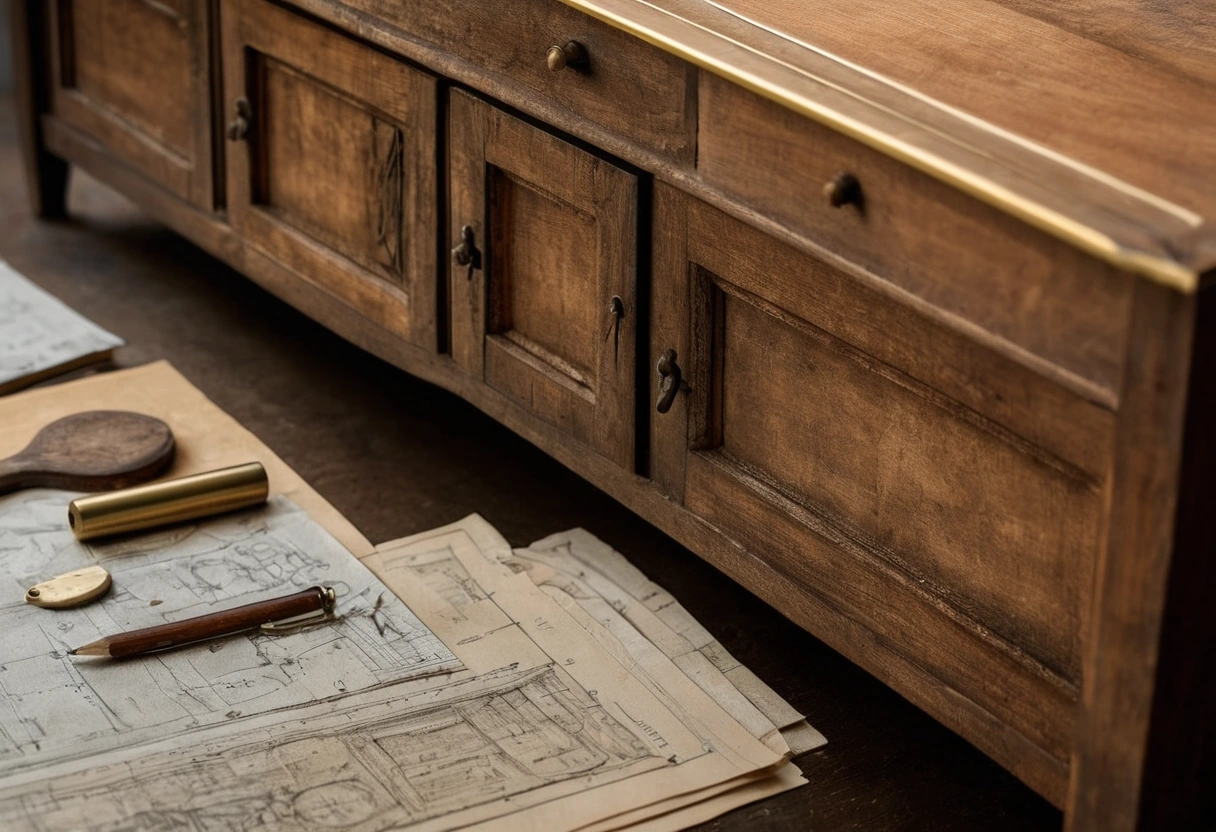
The honest reading of 2026 is less dramatic than the headline and more useful. Italy’s furniture industry is large, measurable and slightly up, depending on where you draw its edges. Milan drew more people than last year, and a good share came to look rather than buy. A very narrow band of documented, attributed, canonical objects trades at prices nobody can forecast. Everything else is furniture: bought to be used, valued by how long it keeps being worth using. That is not an asset class.